Facebook Ads for Hospitality Venues: What Actually Fills Tables

Last summer I ran a £1,200 Facebook ads test for a 60-cover gastropub in Surrey. By week three the venue was fully booked Friday and Saturday, and the owner stopped taking new bookings through the ad set because the kitchen could not keep up. That is the good version of the story. The bad version is every hospitality venue I audited before them, where the owner was spending £400 a month boosting posts of their Sunday roast and wondering why nobody was walking through the door. Facebook ads for hospitality venues work. They work very well. But “boosting a nice photo” and “running a campaign that fills covers” are two different jobs, and most venues are still doing the first one. This guide walks through what actually moves the needle for pubs, restaurants, hotels, bars, and event spaces on Meta in 2026. No theory. The exact structure I use with clients, plus the mistakes I keep seeing in audits.
Why Most Hospitality Facebook Ads Fail
Facebook is not broken. The boost button is.
Boosted posts optimise for engagement. Engagement is not bookings. A person double-tapping a photo of your burger at 11pm on a Tuesday is not a person walking through your door on Friday night. You need a campaign structure that optimises for the action you actually care about, which for 90% of venues is either a table booking, a room booking, or a foot-traffic visit.
The second failure is creative. Most venue ads look like venue ads. A glossy food shot, a logo, a generic “Book Now.” It blends into the scroll. What works in hospitality is the opposite: specific, scrappy, and emotional. A short video of the owner talking about Sunday roast. A phone clip of the bar at 9pm on a Saturday. A customer reaction shot. People book experiences, not pixels.
The third failure is targeting. “Everyone within 10 miles who likes food” is not targeting. That is a radius with a pulse. Real targeting for venues means layered audiences based on who actually converts for your specific venue type.
The Campaign Structure That Actually Works
One conversion campaign, two ad sets, three to four creatives per set. That is the whole thing. No 14-ad-set complexity. No stacking lookalikes on lookalikes. Meta’s algorithm in 2026 rewards simplicity and volume, not fragmentation.
The conversion event is the booking itself. This is the part most venues skip. You need the Meta Pixel firing on the “booking confirmed” page of your reservation system, whether that is OpenTable, ResDiary, SevenRooms, DesignMyNight, or a Square booking page. If your site does not have a confirmation page you can track, fix that first. Running Facebook ads without tracked bookings is like cooking without a thermometer. You will waste meat.
Ad Set 1: Local cold audience. Age range matched to your actual clientele (not “18 to 65” default, which is where most accounts are still stuck). Radius between 2 and 8 miles depending on venue type. A gastropub in a market town pulls from 15 miles. A city-centre cocktail bar pulls from 3. Match the geography to how people actually get to you.
Ad Set 2: Retargeting. Everyone who watched 50% of a video, visited the website, or engaged with the page in the last 60 days. This is your warm audience and it should usually get 20 to 30% of the budget. It is also where most of your cheapest bookings come from because these people already know you exist.
Budget to start: £25 to £40 a day for a single-venue restaurant or pub. Hotels and multi-venue groups need more because the booking value is higher and the sales cycle is longer. Below £20 a day, Meta does not have enough data to optimise and you end up paying a premium for every conversion.
What Creatives Actually Drive Bookings
What works: - Short-form vertical video (9 to 30 seconds), shot on a phone, showing the venue at peak atmosphere. Background noise and all. Polish kills it. - Founder or manager speaking to camera about a specific offer or evening. Face plus name equals trust. Especially for independent venues competing with chains. - Customer testimonial clips, even if shaky, even if filmed on the owner’s phone across the bar. - Menu reveal videos for new dishes, with a specific price and a booking link.
What does not work: - Glossy professional stills of food. They look like stock photography and scroll past. - Generic “Book now for Sunday roast” graphics with no face, no venue, no price. - Long written ad copy. Nobody reads an essay on a phone at 7pm. - Carousel ads for single venues. Carousels are for menus, hotels with multiple rooms, or venues with distinct spaces, not a pub trying to advertise one thing.
The creative that performed best for that Surrey gastropub was a 14-second vertical video of the head chef plating a steak, with one line of text overlay: “Friday steak night. 28-day aged. Book a table.” It cost nothing to make. It ran for five weeks. It outperformed three professionally shot videos they had commissioned the year before.
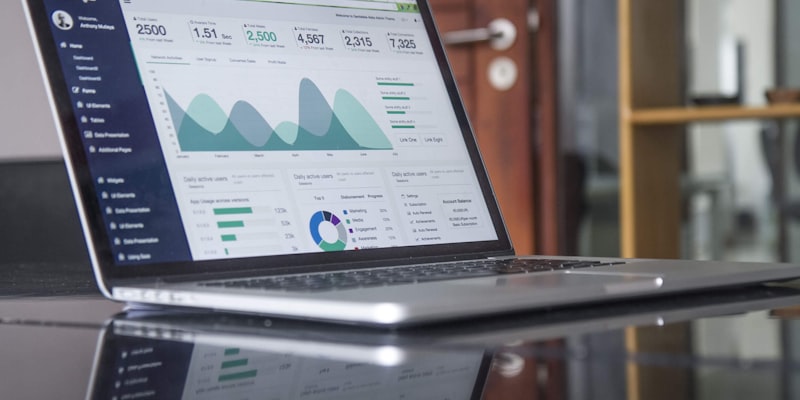
Photo via Unsplash
Venue-Specific Playbook
Restaurants and Gastropubs Lead with a specific night, dish, or experience. “Sunday roast,” “steak night,” “pizza happy hour.” Generic “come eat at our restaurant” ads die. Give people a reason and a day.
Target: 2-8 mile radius. Ages 28-65. Exclude people who work in hospitality (they know your tricks and do not book). Offer angle: Time-specific. “Book a table this Friday or Saturday” converts better than “Book anytime.”
Pubs and Bars Atmosphere sells. Video of the bar at its loudest, liveliest moment. Live music nights, quiz nights, sport fixtures. Anything with a timed hook.
Target: 2-5 mile radius in cities, up to 10 in rural areas. Ages 21-55. Layer on interest targeting for sport, music genres, or local event pages depending on what you run. Offer angle: Event-led. Running ads for “the pub” rarely works. Running ads for “Six Nations final with pie and pint £12” works.
Hotels and B&Bs Hotels are different. Booking cycles are longer, booking values are higher, and the competition includes Booking.com and Airbnb, which have budgets most independent hotels cannot match.
The winning angle here is direct-booking discount. “Book direct and save 15% vs third-party sites.” This is the only ad angle I have seen consistently beat OTAs for independent hotels, because it speaks directly to the margin pain every hotelier has with commission fees.
Target: Larger radius (25-150 miles depending on hotel type). Interests in travel, weekend breaks, spa days. Retargeting is critical here because hotel decisions take days or weeks.
Event Spaces and Private Hire Completely different beast. These are lead generation campaigns, not direct booking. Run a lead form or landing page offering a brochure or availability check. Target: event planners, HR professionals, newlyweds in the engagement window. Long sales cycle, high value, needs a proper nurture sequence after the click.
Ready to Fill Your Midweek Slots?
Book a free 30-minute hospitality ads audit. I will look at your current setup, your conversion tracking, and your offer, then tell you honestly whether Facebook ads are the right move for your venue. No pitch deck, just a straight answer.
Book a Free Strategy CallBudget, Cost, and What to Expect
Cost per booked cover (restaurant/pub): £2 to £8. Below £2 is unicorn territory. Above £8 usually means the offer or the creative is not landing.
Cost per room booking (independent hotel): £12 to £40. Sounds high until you compare it to the 15-18% commission Booking.com takes on every room.
Click-through rate benchmark: 1.5% to 4% for hospitality. Below 1% means your creative is not stopping the scroll.
Cost per click: £0.30 to £1.20 in the UK. London and the South East sit at the higher end.
Minimum useful budget: £600 a month for a single restaurant or pub. £1,500+ for hotels. Anything less and you are learning slower than you are spending.
Here is the honest trade-off: Facebook ads are not cheap, and they are not free traffic. If your margins on a Sunday lunch are razor thin and you already fill Saturday nights, paid ads may not be the right growth lever. The venues that win on Meta tend to have either (a) a pricing model with decent margin, or (b) an empty slot in the week they are trying to fill. If you are full Friday through Sunday and your Tuesday is dead, Tuesday is where ads earn their keep.
Tracking and Attribution (The Part Nobody Wants to Read)
Meta’s iOS 14 changes and the general death of third-party cookies mean that pixel-only tracking now misses 20 to 40% of real conversions. Your Meta reporting will under-count your bookings. The fix is the Conversions API, which sends server-side booking data back to Meta and recovers most of that lost attribution.
Most reservation platforms now support CAPI directly or through an integration. OpenTable has one. SevenRooms has one. ResDiary has one. If your booking platform does not, you can route bookings through a tool like Segment or Stape to fire CAPI events. This is the single biggest technical fix I make on hospitality accounts, and it usually recovers enough bookings on paper to justify a budget increase.
Alongside CAPI, use UTM tags on every single Meta ad link so you can cross-check bookings in your reservation system’s own reporting. If OpenTable says you got 43 bookings from “facebook” this month and Meta says you got 19, you now know how much CAPI is recovering and how much is still dark.

Photo via Unsplash
Frequently Asked Questions
Do Facebook ads still work for hospitality in 2026? Yes, but the playbook has changed. iOS privacy changes broke pixel-only tracking, so CAPI is now mandatory for accurate reporting. Creative has shifted from polished stills to phone-shot vertical video. Venues still running 2020-era boosted posts are losing money. Venues running proper campaigns with tracked conversions are seeing 3-8x return on ad spend consistently.
What is better for venues: Facebook or Google ads? Different jobs. Google ads catch people who are already searching “best pub near me” or “Italian restaurant Leeds.” Facebook ads create demand with people who were not searching yet. Most venues I work with end up running both, with Google taking high-intent demand and Facebook building the top-of-funnel awareness and retargeting the people who clicked but did not book.
How long before Facebook ads start working? Expect 10 to 14 days of learning phase where results are noisy. Real optimisation happens once you hit 50 conversions per week per ad set, which at £5 cost per booking means £250 per ad set per week minimum. Venues that kill campaigns after 5 days because “it’s not working” never give Meta enough data to optimise.
Can I run Facebook ads myself or do I need an agency? You can run them yourself if you are willing to spend 5-8 hours a week on creative, targeting, and reporting, plus the time to learn CAPI setup. For many independent venues, that time is better spent running the business. Agencies earn their keep when the ad spend plus the opportunity cost of your own time exceeds the management fee, usually around £1,000+ a month in spend.
The Bottom Line
If your venue is sitting on empty covers Monday to Wednesday and your current “marketing” is whoever remembers to post on Instagram, it may be time to try something different. The venues that win on Meta in 2026 are the ones treating it like a real acquisition channel with real tracking, real creative, and a real budget — not a hobby.

Written by Gal Shlomai
Founder, Advertising Precision, Advertising Precision
Gal helps UK businesses transform paid advertising into a predictable, profitable growth engine. With a tracking-first approach and founder-led campaigns, every pound of ad spend is accounted for.
Connect on LinkedInRelated Articles
Ready to Fill Your Midweek Slots?
Book a free 30-minute hospitality ads audit. I will look at your current setup, your conversion tracking, and your offer, then tell you honestly whether Facebook ads are the right move for your venue. No pitch deck, just a straight answer.
Book a Free Strategy Call